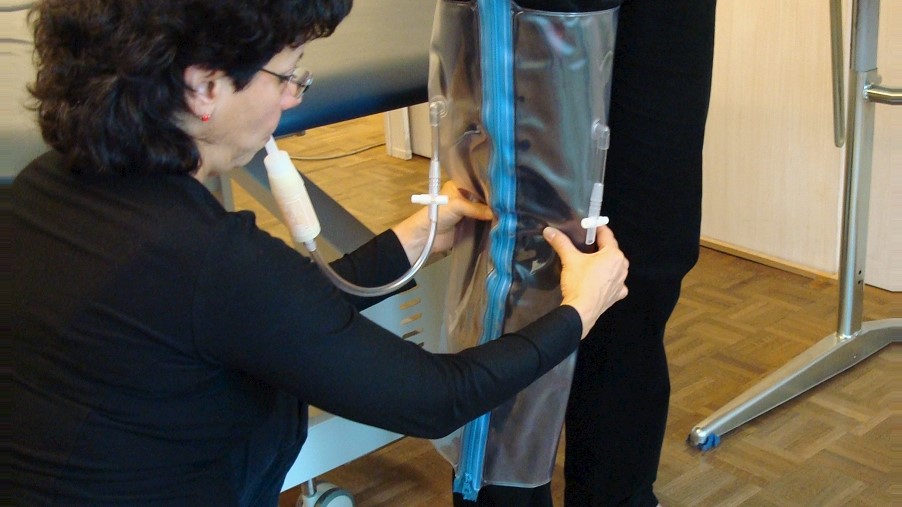
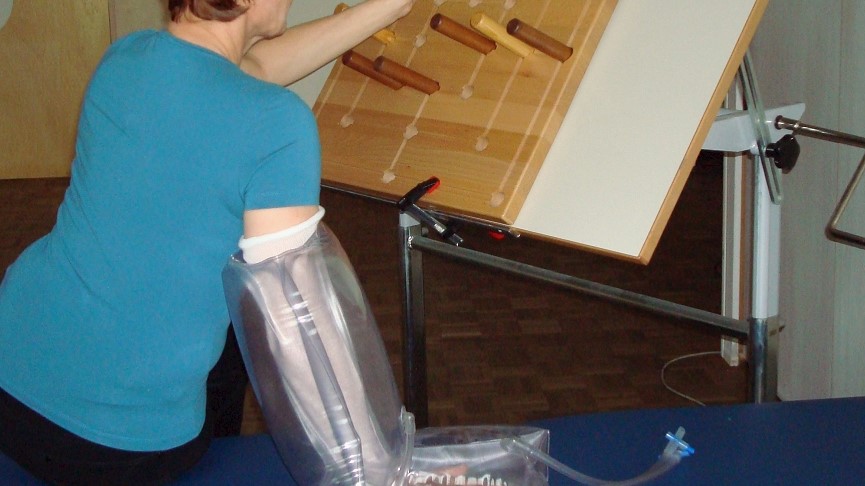
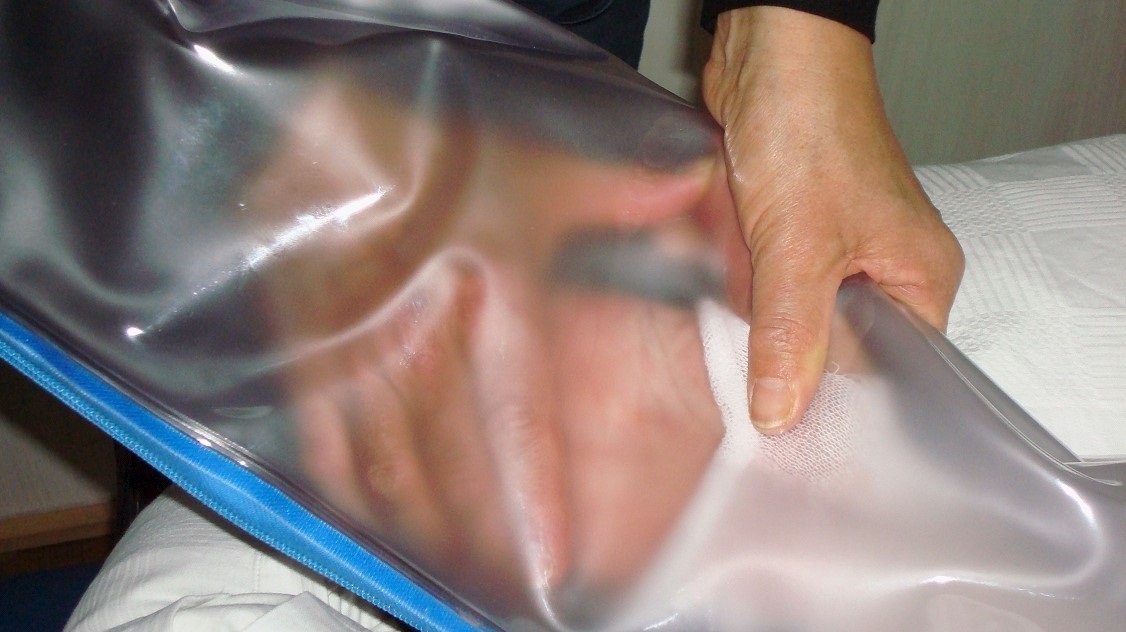
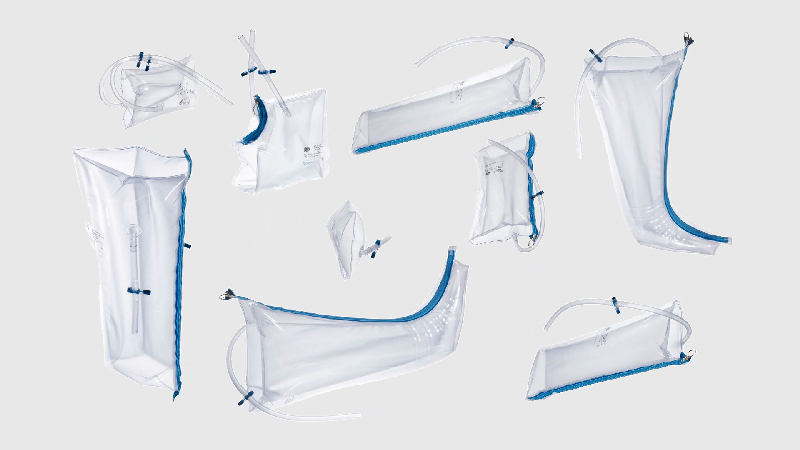
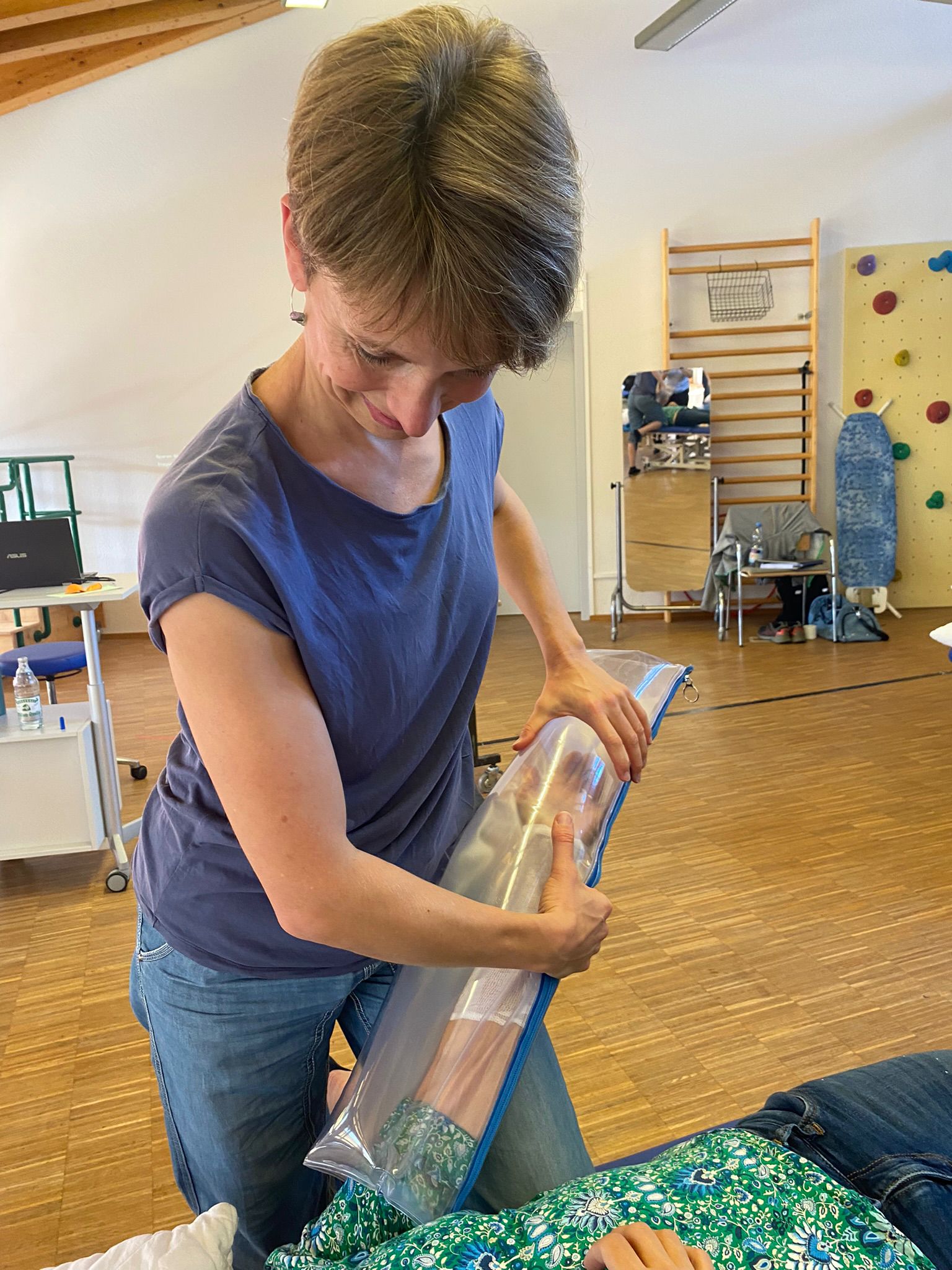
How to apply the following Johnstone air splints:
- Long Arm air splint (single chamber)
- Leg air splint (double chamber)
- Half arm air splint (single chamber)
- Foot air splint (double chamber)
- Hand air splint (double chamber)
- Elbow air splint (single chamber)
- Finger air splint (single chamber)
- Leg and Foot air splint for MS - PART 1
- Leg and Foot air splint for MS - PART 2
The inflatable splints or URIAS® Johnstone air splints can be an invaluable aid or tool to facilitate therapy sessions in neurological rehabilitation.
They have first been developed by Margaret JOHNSTONE, FCSP (Fellowship of the Chartered Society of Physiotherapy), and her sister Ann THORP.
Read more...
Celebration time!
Because, as from 12 November 2023, Vibeke Funch Madsen has met the requirements for becoming officially a PANat assistant teacher.
She has accomplished and assisted already on the advance course in Allensbach (DE).
Vibeke was "discovered" by Birgitte Gammeltoft, retired PANat teacher, and introduced to the group of PANat teachers as a candidate.
After being accepted as a trainee, she attended several courses and continuing education with her mentors Franziska Wälder and Gail Cox Steck.
We are very happy to now have 2 assistants in our midst. Together with Tiziana Sägesser, Vibeke rejuvenates our team. They make the future of PANat looks bright.